


Cyst Removal in NYC: Permanent Removal, Minimal Scarring
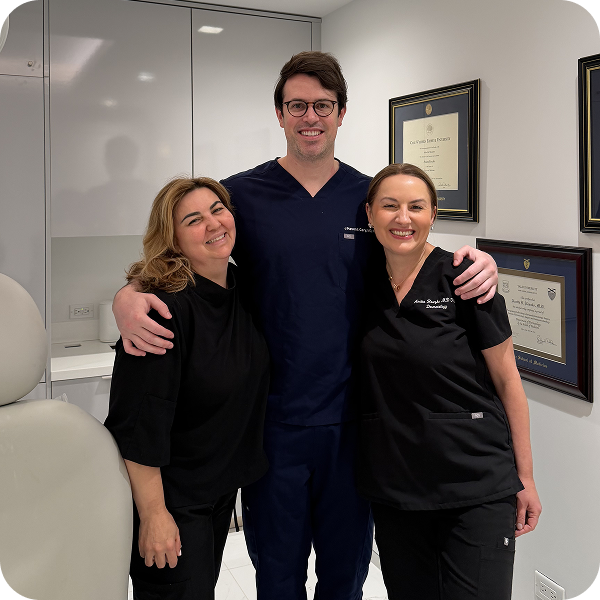
Dr. Cary performs in-office surgical removal of epidermoid, pilar, and sebaceous cysts at both Reszko Dermatology and the Dermatology Specialists. Under local anesthesia, the cyst and its capsule are carefully removed to minimize the risk of recurrence. Each incision is thoughtfully planned and meticulously closed to minimize scarring.
Cyst removal is available in office with locations in Manhattan and Brooklyn for cysts of nearly any size or location, including recurrent, inflamed, or previously infected cysts

Patients' Choice By Location
Patients’ Choice awards are assigned based on patient satisfaction ratings for key specialties in select geographic locations.
Dermatology – New York, NY

Webmd Preferred Provider
Preferred Provider badge recognizes providers that are committed to transparency, responsiveness and great service to patients, and have earned a high patient satisfaction rating.

Patients' Choice For Zocdoc
A recognition given to healthcare providers who consistently receive high ratings and positive reviews from patients. It reflects strong patient satisfaction based on real appointment experiences.
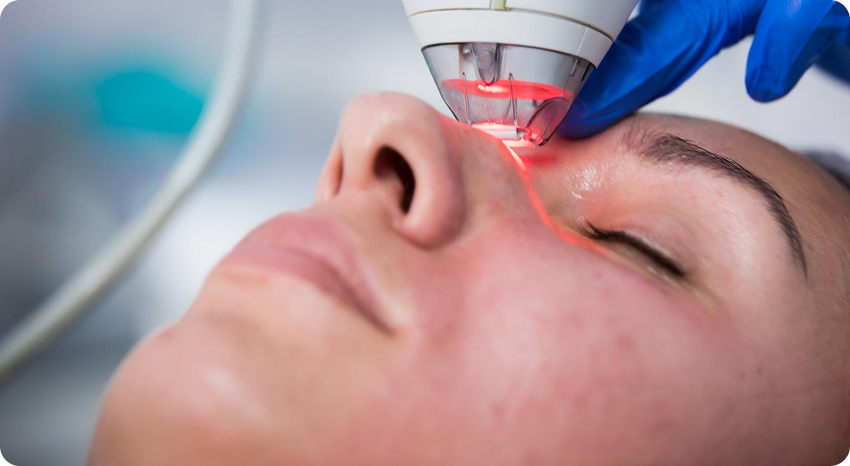
A Board-Certified Dermatologist in Manhattan and Brooklyn
Dr. Cary is a board-certified dermatologist practicing in New York, with clinic locations in Manhattan (Upper East Side and Greenwich Village) and Brooklyn (Cobble Hill). Surgical excision is performed in-clinic under local anesthesia, without the inconvenience of a hospital or general anesthesia.
From the initial evaluation through the procedure itself, patients are treated directly by Dr. Cary, providing continuity of care throughout the cyst removal process.
Every Type of Skin Cyst Treated Here
Epidermal inclusion cysts develop when skin cells become trapped beneath the surface and continue producing keratin, gradually forming an enlarging sac beneath the skin. Cysts can occur almost anywhere on the body but are especially common on the face, neck, scalp, chest, and back.
Common types and presentations include:
- Epidermoid cysts are the most common type of skin cyst. They arise from the upper portion of the hair follicle and contain keratin. They typically feel smooth and mobile beneath the skin and may have a small central opening or punctum.
- Pilar cysts most commonly develop on the scalp and arise from the outer root sheath of the hair follicle. They tend to feel firm and smooth, and multiple cysts are often present.
- Inflamed/ ruptured cysts may become red, swollen, tender, or painful and can occasionally drain. When the cyst wall ruptures beneath the skin, keratin is released into the surrounding tissue, which can trigger significant inflammation and scar formation. Because this can make surgical removal more difficult, active inflammation is generally treated before definitive excision.
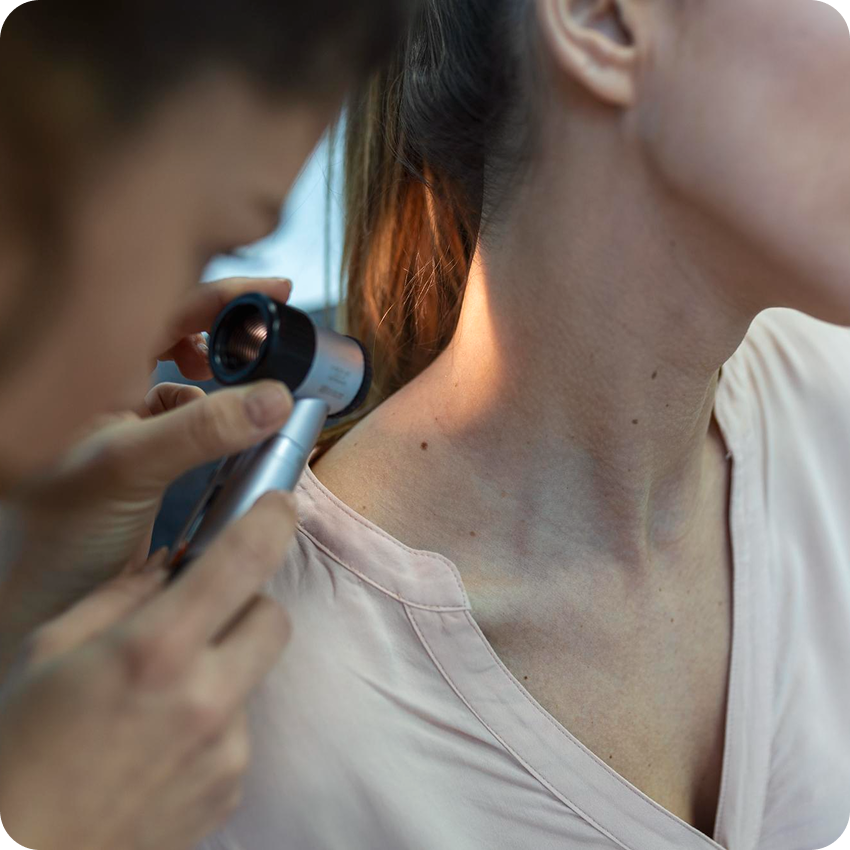
Three Locations Built Around Your Needs
Reszko Dermatology
(entrance on 90th Street)
1112 Park Ave Suite 1A, New York, NY 10128
The Dermatology Specialists
Cobble Hill
The Dermatology Specialists
Greenwich Village
Can a Cyst Be Removed Without Surgery?
Cyst treatment generally involves either drainage for temporary relief or surgical excision for definitive treatment. Draining a cyst can quickly relieve pressure and discomfort, but it does not remove the cyst wall, which allows the cyst to refill or recur over time.
Surgical excision is the most definitive treatment. During the procedure, the cyst and its capsule are carefully dissected from the surrounding tissue and removed, significantly reducing the likelihood of recurrence.
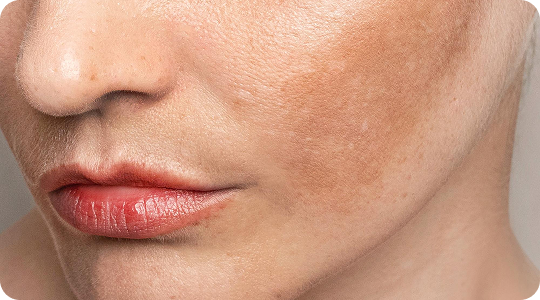
Who Is a Good Candidate for Cyst Removal
Most healthy patients with a bothersome cyst are candidates for surgical removal. Excision should be considered when a cyst is growing, painful, recurrent, frequently inflamed, or cosmetically bothersome, or when a patient simply prefers definitive removal.
If a cyst is acutely inflamed or infected, immediate excision may not be recommended. Depending on the presentation, initial treatment may include drainage, medication, or an injection to reduce inflammation, with definitive excision performed once the area appears less inflamed.
Certain medications and medical conditions can affect bleeding or wound healing and should be discussed before surgery. Blood-thinning medications should not be stopped or adjusted without guidance from the prescribing physician. Pregnancy does not necessarily preclude cyst removal under local anesthesia, although the need for treatment and appropriate timing can be discussed during your visit.
Testimonials of the
Best Hair Medical, Cosmetic
and Surgical Care in the United States
I had an excellent experience with Dr. Cary.
His patient care was exceptional. He took the time to listen carefully, explain everything thoroughly,
and answer all of my questions without ever making me feel rushed. His bedside manner was warm,
attentive, and reassuring. It s clear he is not only highly skilled but also deeply committed to patient
well-being. I highly recommend him to anyone seeking a top-notch dermatologist.
Jane Doe
2026 05 20
have seen Dr. Cary on multiple occasions for acne and cosmetic concerns and have consistently had excellent experiences.
Dr. Cary demonstrates strong clinical expertise and takes a thoughtful, evidence-based approach
to treatment. My skin has improved significantly over time, and each treatment plan was clearly
explained and tailored to my sensitive skin s needs. I never feel rushed and always feel confident in
Dr. Cary s recommendations. Highly recommend Dr. Cary for anyone that is seeking a
dermatologist!
Jane Doe
2026 05 20
I had an excellent experience with Dr. Cary.
His patient care was exceptional. He took the time to listen carefully, explain everything thoroughly,
and answer all of my questions without ever making me feel rushed. His bedside manner was warm,
attentive, and reassuring. It s clear he is not only highly skilled but also deeply committed to patient
well-being. I highly recommend him to anyone seeking a top-notch dermatologist.
Jane Doe
2026 05 20
What Happens During Cyst Removal Surgery
Local anesthesia is used to completely numb the area before the procedure begins. A carefully planned incision is made over the cyst, with its size and orientation selected to minimize visible scarring. The cyst is then carefully separated from the surrounding tissue and, whenever possible, removed with its capsule intact. The incision is closed with sutures selected based on the size and location of the cyst.
Cyst Removal Recovery Time
Most patients return to work and routine daily activities within 24 to 48 hours, with only mild soreness or tenderness at the treatment site. Sutures are typically removed within 7 to 14 days, depending on the location, while strenuous exercise and activities that place tension on the incision should be limited for approximately two weeks. Recovery varies based on the size, depth, and location of the cyst, as well as whether it was previously inflamed or ruptured.
Aftercare Instructions for Optimal Healing
Patients should keep the incision clean and dry with pressure bandage in place for the first 24 hours. Afterward, patients can gently cleanse the area with soap and water, apply a thin layer of petroleum jelly, and keep the incision covered with a clean bandage as directed. Avoid swimming, baths, hot tubs, and other prolonged submersion until the incision has healed.
Mild soreness or tenderness is common after cyst removal and can usually be managed with over-the-counter pain medication. Although rare, patients should contact the office for any increasing pain, redness, warmth, swelling, drainage, fever, or other signs of infection.
Scarring After Cyst Removal
Incisions are carefully planned with the goal of minimizing scar length and placing the resulting scar in the least conspicuous orientation possible. Scars are typically pink or red during the early stages of healing and gradually fade and flatten over the following 6 to 12 months.
Patients with deeper skin tones may be more prone to post-inflammatory hyperpigmentation or other pigment changes following surgery. Once the incision has healed, consistent sun protection can help minimize discoloration as the scar matures.
How Much Does Cyst Removal Cost in NYC?
Cyst removal is commonly covered by health insurance, particularly when the cyst is symptomatic, growing, inflamed, painful, recurrent, or has a history of infection. Coverage varies by individual insurance plan, and any deductible, copay, or coinsurance may still apply.
For patients paying out of pocket, the cost of cyst removal depends on the size and location of the cyst and the complexity of the procedure. Larger, recurrent, or previously ruptured cysts may require more extensive surgery. Pathology testing is routinely performed following excision.
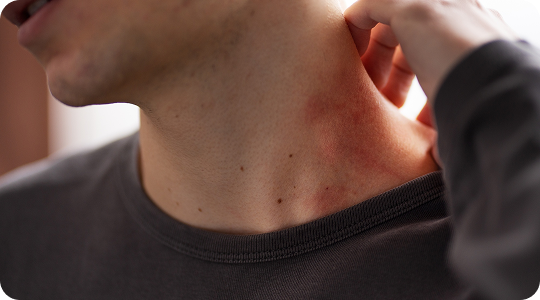
How Long Can a Cyst Go Untreated?
Many small, stable, and asymptomatic cysts can be monitored without treatment. However, removal may become more difficult if a cyst continues to enlarge, becomes inflamed, or ruptures beneath the skin. Inflammation and scar tissue can make the cyst capsule more difficult to separate from the surrounding tissue and may compromise wound healing and the final cosmetic result.
Rapidly growing, painful, hard, or fixed lesions should be evaluated by a dermatologist to confirm the diagnosis.

What Your Cyst Removal Visit Involves
Your visit begins with an examination to assess the cyst’s size and location and determine whether there is active inflammation. Dr. Cary will discuss the appropriate treatment approach based on the cyst’s characteristics and your individual goals. While same-day excision cannot be guaranteed, Dr. Cary is often able to accommodate cyst removal during the initial visit when appropriate.
FAQs
Cyst Removal FAQs
What if My Cyst Is Currently Infected or Inflamed?
If a cyst is acutely infected or significantly inflamed, the inflammation is generally treated before surgical removal. Depending on the presentation, treatment may include drainage, antibiotics, or an injection to reduce inflammation. Excision can then be performed once the inflammation has resolved, which can make removal easier and help minimize scarring and healing complications.
How Do I Choose a Cyst Removal Dermatologist in NYC?
When choosing a dermatologist for cyst removal in NYC, look for board certification, experience with dermatologic surgery, and an individualized approach to excision and scar placement.
An experienced dermatologist can determine the type of cyst, whether inflammation or prior rupture may complicate removal, and the surgical approach most appropriate for its size and location.
Will My Cyst Come Back After Removal?
When the cyst and its entire capsule are successfully removed through surgical excision, recurrence at the same site is uncommon. However, patients who are prone to developing cysts—particularly those with multiple pilar cysts—may develop new cysts elsewhere over time.
Contact
Schedule a Consultation with Dr. Cary
Schedule a consultation with Dr. Cary for cyst removal in NYC. Your visit will include an examination to confirm the diagnosis and determine the most appropriate approach for removal. When appropriate and scheduling permits, same-day cyst excision may be available.
@ caryderm
Reszko Dermatology (entrance on 90th Street)
Phone: (646) 759 8449
1112 Park Ave Suite 1A, New York, NY 10128
The Dermatology Specialists- Cobble Hill
Phone: (212) 385 3700
278 Court St Brooklyn, NY 11231
The Dermatology Specialists- Greenwich Village
Phone: (212) 385 3700
214 Sullivan St New York, NY 10012
Send Us a Message